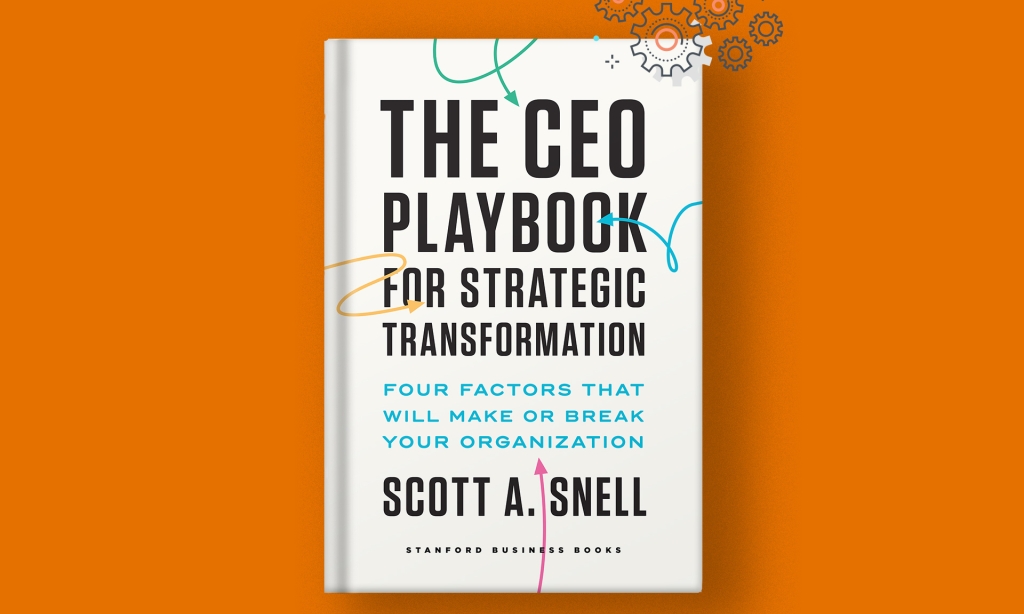
The “pivot” has become part of startup lexicon. But pivot-thinking may not work for all companies, and substantially changing an organization’s strategy can be difficult and expensive for entrepreneurs. Darden experts weigh in.
Mexico experiences a huge degree of socioeconomic inequality. With a new president, tensions with the U.S., and a new trade deal, will it be able to escape the middle-income trap? Can it grow, be socially progressive, and keep its reputation as business-friendly with global investors?
Professor Sean Martin takes a look at the UVA men’s basketball NCAA Tournament championship and the leadership and organizational behavior lessons on display for a team that suffered the greatest upset in the history of the tournament just 1 year prior.
Darden Professor Rajkumar Venkatesan proposes four steps for marketers to develop an AI “canvas,” through which they can deploy machine learning technologies to compete for customer attention.
Resources are limited, and business and government compete for them … or so goes conventional wisdom and widespread economic theory. Does it hold up in the real world? Professor Dan Murphy’s research, presented at the IMF’s annual research conference, investigates government spending and its effect on the private sector.
How does a legacy luxury brand navigate the twists and turns of changing economic circumstances? There are few one-size-fits-all solutions in leadership, and evolving business contexts may require strategic pivots. Darden Professor Jay Bourgeois discusses leadership and strategy lessons that have driven Aston Martin’s success in recent decades.
Growing up rich or poor has a tremendous impact on your life — studies show it affects health, prospects, confidence — what about the quality of your leadership? Darden Professor Sean Martin discusses the ripple effect that means childhood affluence may prove a liability in the workplace.
Diverse companies produce higher financial returns, yet the pay gap persists. Research from Professor Morela Hernandez examines the fact that racially biased hiring managers offer lower salaries to black candidates who negotiate. So what can organizations do to mitigate the impact of racial biases?
One of the biggest challenges for humanity: Artificial Intelligence and limited resources may lead to an existential race between smart machines and humans. Some elites may re-engineer themselves thanks to technology, but others will likely become economically irrelevant. How can we ensure humans have a fair share of resources?