AI companions are designed to support the individual but what is the impact on broader society? Don’t we as humans get something out of supporting each other?
Dwaipayan (he/him) studies socially responsible operations, focusing on the topic of diversity and inclusion within organizations and across their supply chains. In his research, Dwai attempts to blend theory with practice to analyze the opportunities for the inclusion of underserved communities in supply chains.
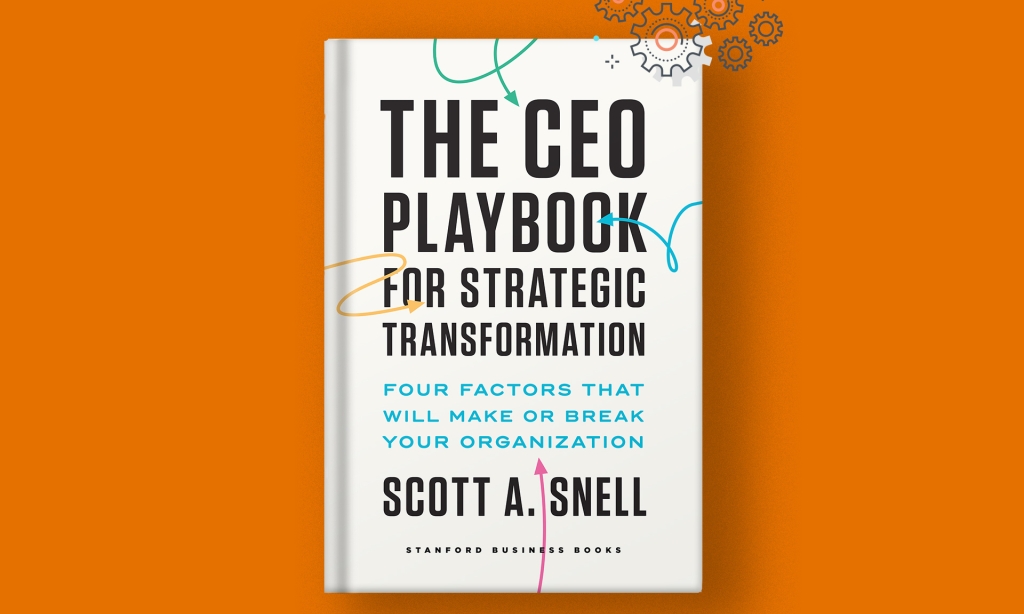
Strategic transformation has become crucial for companies to remain competitive. Scott A. Snell’s new book, "The CEO Playbook for Strategic Transformation,” outlines four key factors for successful organizational change.
Launching a startup means navigating a world of unknowns. How can new entrepreneurs effectively manage this uncertainty? Darden Professor Saras Sarasvathy offers a solution with the CAVE framework.
Rupert Freeman is an Assistant Professor in the Data Analytics and Decision Sciences area. Prior to joining Darden, he received his Ph.D. in computer science from Duke University and was a postdoc at Microsoft Research in New York City. He teaches the first-year core Decision Analysis course and the Data Visualization and Analytics elective.
New research aims to make AI systems fairer when assigning tasks or allocating resources, giving everyone an equal shot at getting what they want.
In the rapidly evolving landscape of artificial intelligence, a unified team executing a flawed strategy often outperforms those pursuing a perfect strategy with fractured alignment. This principle of prioritizing alignment over flawless planning forms the cornerstone of the seven critical foundations for competitive success in the AI era.
As the race for fully autonomous vehicles heats up, challenges remain on the road to widespread adoption. Key to overcoming these obstacles will be consumer acceptance, technological advances, and regulation.